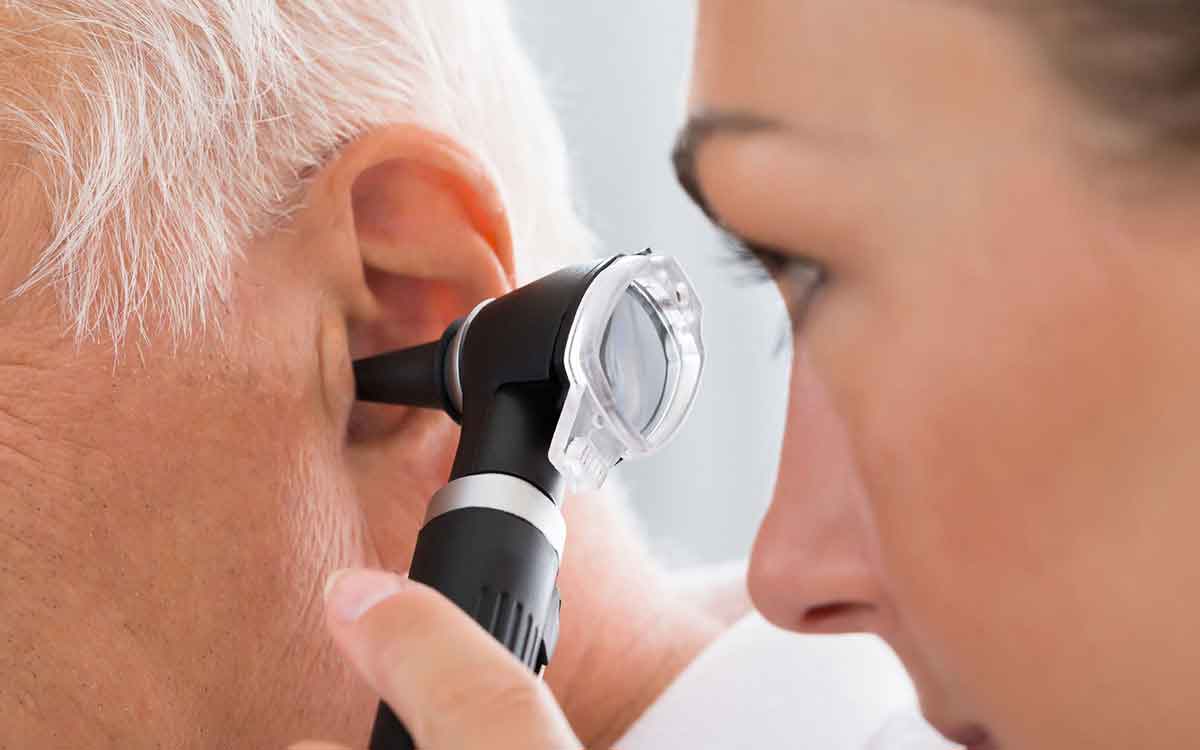
Auditory decline frequently manifests as an incremental process, making it likely to be ignored during its initial onset. Subconscious adjustments, such as turning up the television or requesting verbal repeats, often mask the early progression of hearing loss.
Still, the prompt identification of hearing loss signs is necessary for protecting your hearing.
Primary Signs of Developing Hearing Impairment
Should you encounter any of these indicators, consider scheduling an audiological evaluation to determine your status.
- Reduced clarity during dialogue within high-noise areas.
- Frequently asking people to clarify their statements.
- Hearing muffled or slurred speech where words appear to merge.
- Turning up the volume on the television and mobile devices to levels that others find excessive.
- Decreased perception of high-pitched stimuli like children’s speech or household alerts.
- Auditory sensations such as ringing, buzzing, or humming, known as tinnitus.
- Feeling mentally exhausted after social interactions, due to increased efforts to hear better.
- Withdrawing from social events as dialogue has become stressful.
Initial symptoms of auditory decline may appear in unilateral or bilateral patterns and vary in frequency initially. Since the auditory cortex adapts to changes, compensatory behaviors often remain hidden until clinical hearing loss is evident.
Hearing Loss By The Numbers
Data from the World Health Organization suggests that a vast population will need clinical hearing support by mid-century. Other noteworthy statistics involve:
- By 2050, nearly 2.5 billion people are expected to experience some degree of hearing loss.
- More than five percent of the global community (roughly 430 million people) requires rehabilitation to manage significant hearing loss.
- In excess of 1 billion young adults face the threat of irreversible hearing loss due to hazardous acoustic habits.
- Among those aged 60 and older, more than one-quarter suffer from clinically significant hearing loss.
The Critical Importance of Early Identification
Untreated hearing loss may influence your overall health in ways that are often underestimated.
Research has linked hearing loss with higher incidences of withdrawal, depression, impairment, and equilibrium problems.
Timely management offers superior results and greater treatment flexibility.
A clinical screening identifies if hearing fluctuations are the result of noise damage, earwax impaction, or other systemic issues.
Certain hearing variations remain temporary and can be addressed via clinical treatment.
Conversely, timely adoption of hearing aid technology or preventative measures may mitigate further decline.
Indications for a Professional Hearing Evaluation
It is recommended to seek an evaluation with a hearing specialist if:
- Auditory symptoms persist for more than several weeks.
- Auditory challenges interfere with work, relationships, or daily activities.
- If you encounter sudden hearing loss, vertigo, or chronic ear ringing (which requires immediate attention).
Audiological evaluations are noninvasive procedures, offering deep insights into your ear health.
Contact our hearing clinic today if you believe you could benefit from a hearing screening.
FAQ: Early Signs of Hearing Loss
Q: Is hearing loss always age-related?
Answer: No. While common in seniors, hearing impairment can be caused by medications, loud noise, infections, or hereditary conditions.
Question: Are there cases where hearing loss is reversible?
A: In specific instances involving earwax or infection, hearing may be restored. However, permanent types of hearing loss are often successfully managed with hearing aid technology or therapeutic strategies.
Question: What is the recommended frequency for hearing screenings?
A: Adults should have a baseline hearing test by age 50, or earlier if symptoms or risk factors are present.