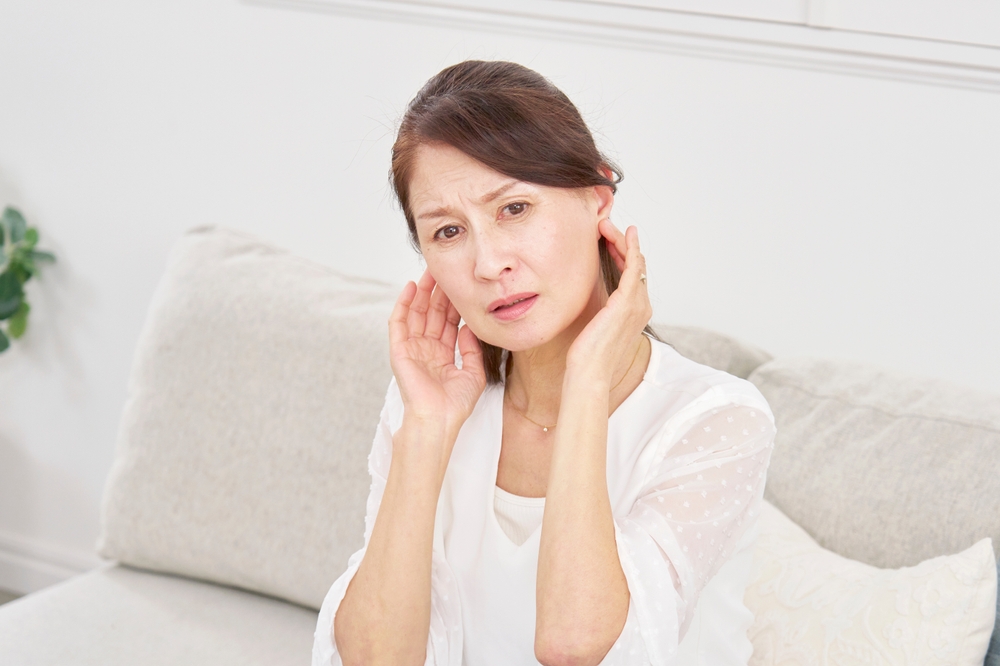
Waking up one morning and realizing you can’t clearly hear is a frightening experience for anyone. When hearing diminishes without a clear cause or warning sign, the resulting disorientation is profound. While some causes are temporary and simple to resolve, others demand immediate medical attention.
Analyzing the standard reasons behind sudden deafness and identifying the right time for help is vital for your long-term health. Below, we examine the characteristics of sudden hearing impairment together with clinical guidance on contacting a specialist.
The Clinical Definition of Sudden Hearing Changes
This impairment involves a swift loss of hearing capacity spanning several hours to a maximum of three days. The issue frequently strikes a single ear, though two-sided loss is possible in rarer cases. Presentations include dullness of sound, persistent ringing, a feeling of pressure, or an inability to follow conversation.
The Urgency of Sudden Sensorineural Hearing Loss (SSHL)
SSHL stands as one of the most critical conditions for an audiologist to investigate quickly.
This auditory issue arises from irregularity within the inner ear, the auditory nerve, or the brain’s processing centers. It often develops without a distinct trigger, but possible contributors include:
- Compromised circulation within the cochlear system
- Internal inflammation and abnormal immune system activity
- Underlying viral activity affecting the ear
- Complex neurological conditions
Because of the fact that early therapy can restore hearing function, SSHL is always treated as an immediate medical priority.
The Role of Viral Pathogens
Specific viral infections can temporarily or permanently affect hearing by swelling the inner ear or auditory nerve.
Clinical research links the following viruses to rapid changes in hearing acuity:
- Standard respiratory tract pathogens
- The seasonal flu virus
- Herpes-based infections
- Viral sequelae observed in some COVID-19 cases
Auditory shifts may appear during or shortly after an illness and may be accompanied by vertigo or pressure.
Head or Ear Trauma
Accidental events such as concussions, barotrauma, or high-decibel exposure can damage the ear’s fragile anatomy.
Physical damage from injury often stems from:
- Physical impact to the cranium
- Abrupt fluctuations in ambient pressure
- Sudden blasts of loud noise
- Physical displacement of inner ear fluids
Auditory symptoms that follow even a minor head or ear injury require a professional clinical review.
Conductive Blockages: The Role of Earwax
Impacted earwax, while easily treated, can mimic the symptoms of critical sudden hearing conditions.
When wax is the primary cause, the hearing change may:
- Occur almost instantaneously
- Result in a feeling of obstruction or “stuffiness”
- Primarily impact one ear
- Subside once the canal is professionally cleared
It is vital to remember that home evaluation is inadequate for determining the true source of sudden deafness. Therefore, seeking a professional clinical opinion is the only safe course of action.
Less Common Drivers of Sudden Hearing Impairment
The following conditions are also noted as potential sources of sudden hearing decline:
- Adverse effects from certain pharmaceuticals
- Vascular health issues impacting the ear
- Systemic autoimmune attacks on the cochlea
- Acoustic neuromas or related rare tumors
A detailed assessment by an audiologist provides the clarity needed to rule out these rare conditions.
Sudden Hearing Loss: Why Early Treatment Is Key
The single most critical piece of advice for sudden deafness is to seek care without any delay.
Immediate audiology testing serves to:
- Identify reversible causes
- Increase the likelihood that treatment will recover hearing
- Protect against lasting damage to the hearing nerve
- Limit the personal and personal toll of long-term hearing impairment
Detailed hearing tests are the primary tool for categorizing the impairment and establishing a recovery plan.
Identifying Red Flags for Urgent Hearing Care
Do not delay seeking a professional if you encounter any of these sudden changes:
- A rapid drop in auditory clarity in one or both sides
- Hearing changes with dizziness or imbalance
- The rapid onset of tinnitus or aural fullness
- Diminished hearing immediately following an injury or sickness
Though your hearing may seem to recover partially, a professional check-up is still vital for a full diagnosis.
How Hearing Tests Provide Immediate Solutions
Audiology diagnostics can quickly clarify whether hearing loss is:
- Conductive in nature, often caused by physical obstructions
- Sensorineural, affecting the inner ear or hearing nerve
- Transient or potentially permanent
Early testing supports faster treatment decisions and better outcomes.
Final Thoughts on Addressing Abrupt Hearing Loss
Abrupt hearing changes are naturally frightening, yet prompt action is your best path toward restoration.
By prioritizing a clinical hearing check-up, you protect both your auditory function and your mental well-being. If you are facing a hearing crisis, our office is here: Call us right away to schedule the urgent help you deserve.