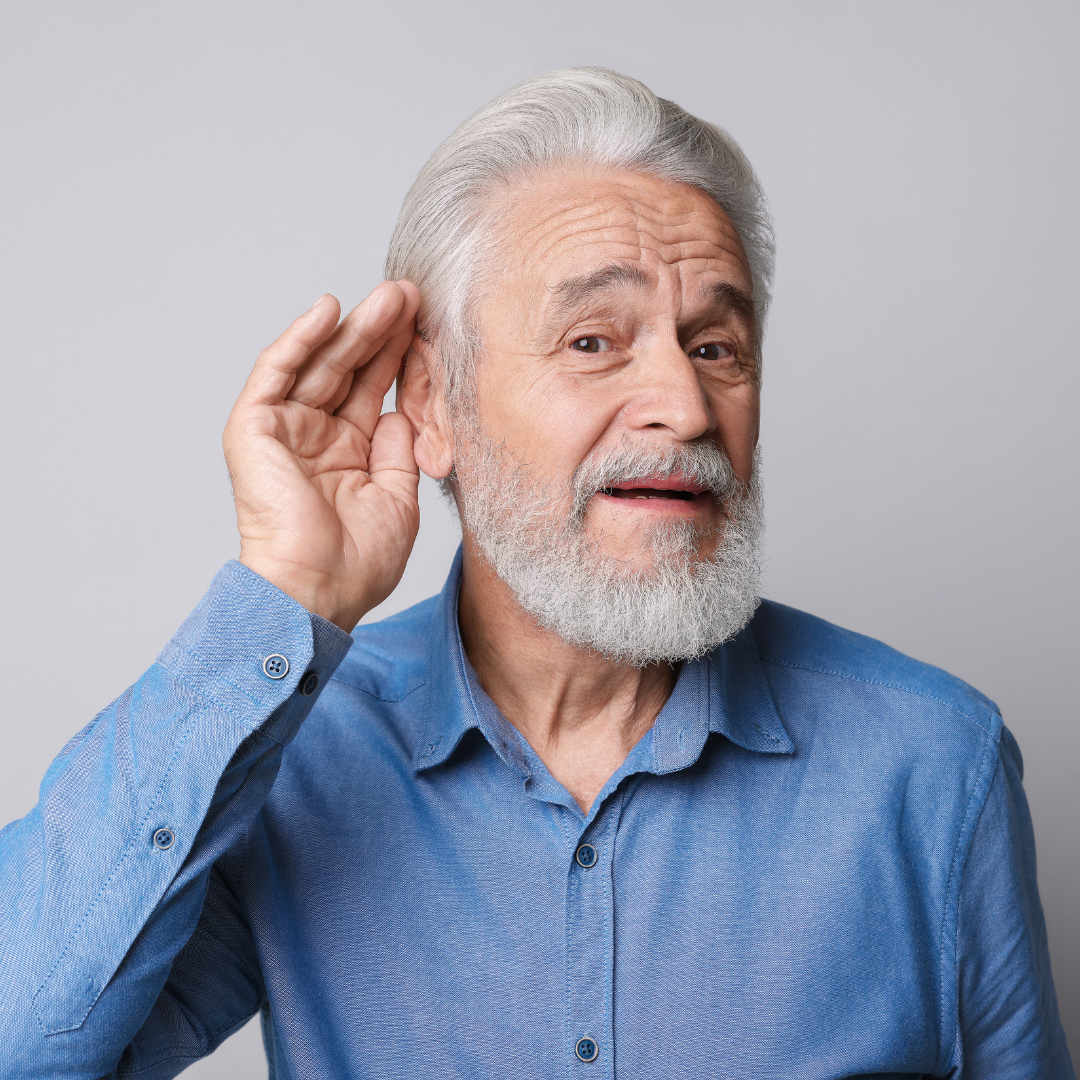
A rapid drop in hearing in one ear can cause immediate fear and leave patients confused regarding the appropriate next steps. We deliver urgent diagnostic hearing tests and partner with otolaryngologists to ensure comprehensive medical intervention when hearing drops rapidly. Any sudden hearing loss requires urgent clinical consultation with a hearing healthcare specialist to pursue immediate medical intervention or rehabilitation.
Why Sudden Unilateral Hearing Loss Is a Clinical Emergency
Yes, it is. Any acute unilateral sudden hearing loss warrants emergency medical management, notably when the deficit evolves within hours to days. Sudden sensorineural hearing loss (SSNHL), frequently referred to as sudden deafness, stems from pathology within the cochlea or the auditory nerve pathways. The condition typically develops painlessly, leading many patients to confuse it with sinus congestion, fluid, or a plugged ear canal.
Potential signs of this condition include:
- A rapid unilateral loss of sound volume and word distinction
- Noticing that phone conversations sound faint, muffled, or absent on one side
- An audible popping sound or intense feeling of aural fullness preceding the auditory decline
- The abrupt emergence of ringing, static buzzing, or roaring tinnitus on the affected side
- Onset of rotational vertigo, postural instability, or general disequilibrium
Do not wait for hearing to restore on its own. Call our clinic, an urgent care center, or an ear, nose, and throat doctor right away for same-day clinical guidance.
Timing and Prognosis: Why Immediate Care for Sudden Hearing Loss Is Vital
Immediate audiological evaluation is vital because clinical therapies for sudden sensorineural hearing loss deliver the greatest recovery potential when deployed without delay. Our immediate task involves verifying whether the impairment is conductive due to wax or middle-ear effusion, or sensorineural originating within the sensory organ or auditory nerve. While conductive and sensorineural losses can feel virtually identical to the patient, they mandate entirely different clinical therapies.
Performing physical otoscopy alongside a diagnostic hearing test confirms the exact classification, frequency configuration, and decibel severity of the hearing loss.
Seek emergency medical intervention right away whenever sudden hearing loss develops with:
- Acute facial asymmetry, motor weakness, or cranial nerve numbness
- Dysarthria (slurred speech), acute cognitive confusion, or an atypical, severe headache
- Unexplained diplopia, syncopal episodes, or severe physical difficulty walking
- Severe chest pain, shortness of breath, or critical emergency symptoms
These symptoms may indicate a neurological or vascular emergency and should not be evaluated through a routine appointment.
What Triggers Sudden Deafness in a Single Ear?
In a large majority of sudden sensorineural hearing loss cases, diagnostic testing reveals no identifiable definitive etiology. In instances where a cause is verified, it often centers on vascular disruption, inner-ear inflammation, mechanical trauma, autoimmune destruction, or auditory nerve pathology.
Potential medical causes encompass:
- Acute infections of viral or bacterial origin
- Head trauma or exposure to an intense sound
- Systemic autoimmune pathologies targeting the auditory labyrinth
- Prescription drug ototoxicity impacting the auditory receptor cells
- Acute circulatory compromise or cochlear microvascular infarction
- Structural inner ear diseases, notably symptomatic Ménière’s disease
- Demyelinating neurological diseases like multiple sclerosis
- A vestibular schwannoma (acoustic neuroma) developing on the vestibulocochlear nerve
Since patient symptoms alone cannot isolate the precise pathophysiological cause, immediate physical exam and audiologic testing are essential.
Medical Management and Interventions for Sudden Sensorineural Hearing Loss
Corticosteroids are widely prescribed as the cornerstone medical treatment for idiopathic sudden sensorineural hearing loss. Corticosteroids can be ingested orally or injected through the eardrum into the middle ear cavity, allowing medication to permeate the round window membrane. We establish personalized treatment regimens by evaluating the chronological window, decibel severity of the impairment, systemic health conditions, and drug contraindications.
Initiating steroid therapy within the first 14 days of symptom emergence is critical, emphasizing the importance of starting as early as possible. Providers may advise intratympanic steroid injections as an aggressive salvage therapy if oral treatment produces incomplete hearing restoration. For qualifying clinical cases, an ENT physician may evaluate hyperbaric oxygen therapy (HBOT) administered concurrently with high-dose steroids.
Can Sudden Hearing Loss in One Ear Go Away on Its Own?
Patients with sudden sensorineural hearing loss can sometimes experience spontaneous recovery without clinical intervention. About half of diagnosed individuals regain varying degrees of hearing without treatment, typically over the initial two weeks. However, there is no reliable way to know at the beginning who will recover, how much hearing will return, or whether the improvement will last.
The possibility that hearing might return spontaneously is never an acceptable reason to delay emergency treatment. Treatment becomes less likely to reverse permanent loss when it starts weeks after the change, so waiting may close an important treatment window. Clinical outcomes encompass total functional recovery, partial restoration of thresholds, or minimal auditory change.
Audiological Management for Persistent Sudden Unilateral Hearing Loss
Should hearing recovery remain incomplete, ongoing care is dictated by remaining hearing capacity, speech understanding scores, and definitive exclusion of secondary causes. We may recommend magnetic resonance imaging (MRI) or an auditory brainstem response test to examine the hearing nerve and nearby structures.
Long-term audiological rehabilitation options include:
- Custom programming of a traditional hearing aid when the ear maintains usable acoustic thresholds
- Utilizing a CROS hearing aid system designed to stream acoustic signals from the impaired ear to the normal-hearing ear
- A surgical or non-surgical bone-conduction device for medically appropriate clinical candidates
- A surgically placed cochlear implant for eligible individuals experiencing profound single-sided deafness
- Tailored assistive listening systems to improve communication across work, academic, or social settings
Audiologic rehabilitation can also address listening fatigue, sound localization, and communication difficulties. The optimal clinical choice is guided by diagnostic hearing test findings, individual acoustic environments, medical background, and personal lifestyle objectives.
Contact Us for an Urgent Hearing Assessment
When hearing changes abruptly today or within the preceding few days, obtain same-day medical advice rather than scheduling a routine visit. Our clinical team will administer diagnostic hearing tests, analyze interaural differences, evaluate symptom onset chronology, and coordinate with an otolaryngologist or medical team immediately.
Call or message our practice immediately to secure a prompt hearing appointment.