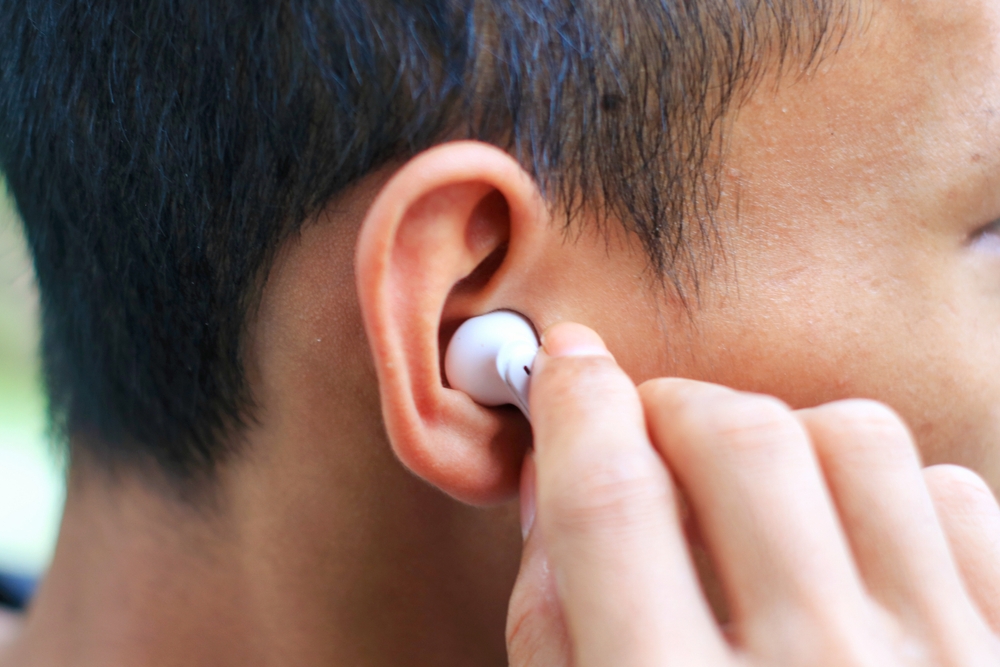
In modern public spaces, the sight of a young person without some form of in-ear audio is rare. Though over-ear headphones are more bulky, the younger demographic still relies on them for environmental isolation. Musical enjoyment knows no age limit, though the younger generation has integrated it more deeply into their daily transitions. This leads to the clinical question: can the proximity of these devices to the ear canal trigger permanent auditory damage? Clinically speaking, the hardware is not the culprit; rather, the risk lies in human behavior and exposure levels.
The Biological Threshold of Auditory Exposure
Acoustic stimuli can act as a sedative, an emotional balm, or a powerful stimulant depending on the tempo. Depends on the music. Personal audio tech provides a convenient way to consume media without infringing on the silence of those nearby. Most individuals view this as a positive etiquette, especially within the confined spaces of a bus or train.
The real questions are: how loud is too loud, and how long is too long? It is well-established that loud noise, regardless of the source, can compromise your long-term hearing sensitivity. When you listen for too long a time and at a very loud volume, you can irreparably damage your hearing. Since hearing shifts occur incrementally, the window for prevention has often closed by the time a patient seeks help.
Why Earbuds Pose a Unique Threat to Hearing Health
The intensity of the decibels is the leading risk factor for permanent auditory trauma. Despite this, the cumulative hours of exposure are just as dangerous as a single loud blast.
- Clinical guidelines from the NIH suggest that listening at or below 70 dB prevents damage regardless of the duration.
- High-intensity sound waves cause cellular damage in a fraction of the time required by moderate sounds.
- Implement the 60/60 safety protocol by capping volume at 60% and taking a break every 60 minutes.
- You can safeguard your auditory health by reducing device intensity and monitoring your cumulative daily usage.
Recognizing the Symptoms of Auditory Damage
If you notice muffled speech, struggle with background noise, experience **tinnitus**, or constantly require others to speak up, a professional evaluation is necessary.
Schedule an appointment with our specialists if you believe your auditory health has been compromised.